IPL 2026 Venues & Cricket Stadiums
10 venues · 9 Indian cities · Capacity, pitch reports and stadium history
IPL 2026 — All Venues at a Glance
| Stadium | City | IPL Team | Capacity | Established |
|---|---|---|---|---|
| Narendra Modi Stadium | Ahmedabad, Gujarat | Gujarat Titans | 132,000 | 1982 |
| Eden Gardens | Kolkata, West Bengal | Kolkata Knight Riders | 66,349 | 1864 |
| MA Chidambaram Stadium | Chennai, Tamil Nadu | Chennai Super Kings | 50,000 | 1916 |
| Wankhede Stadium | Mumbai, Maharashtra | Mumbai Indians | 33,108 | 1975 |
| M. Chinnaswamy Stadium | Bengaluru, Karnataka | Royal Challengers Bengaluru | 35,000 | 1969 |
| Rajiv Gandhi International Cricket Stadium | Hyderabad, Telangana | Sunrisers Hyderabad | 55,000 | 2003 |
| Sawai Mansingh Stadium | Jaipur, Rajasthan | Rajasthan Royals | 30,000 | 1969 |
| Arun Jaitley Stadium | Delhi, Delhi | Delhi Capitals | 41,842 | 1883 |
| EKANA Cricket Stadium | Lucknow, Uttar Pradesh | Lucknow Super Giants | 50,000 | 2017 |
| PCA Stadium | Mohali, Punjab | Punjab Kings | 26,000 | 1993 |
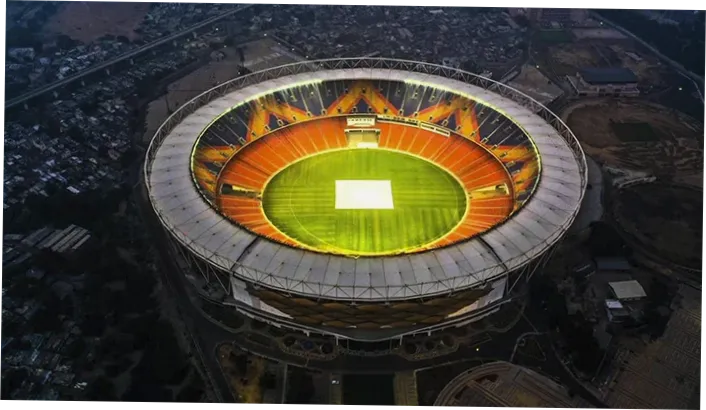
Narendra Modi Stadium
The Narendra Modi Stadium in Ahmedabad is the world's largest cricket stadium with a capacity of 132,000 — surpassing Melbourne Cricket Ground. Formerly known as Sardar Patel Stadium, it was completely rebuilt and renamed in 2020. The venue hosted the ICC T20 World Cup 2021 and the ICC ODI World Cup 2023 Final. Home to Gujarat Titans in IPL 2026, the stadium is known for producing high-scoring T20 matches with its flat, true batting surface. The outfield is lightning fast and the short straight boundaries make it a batsman's paradise.
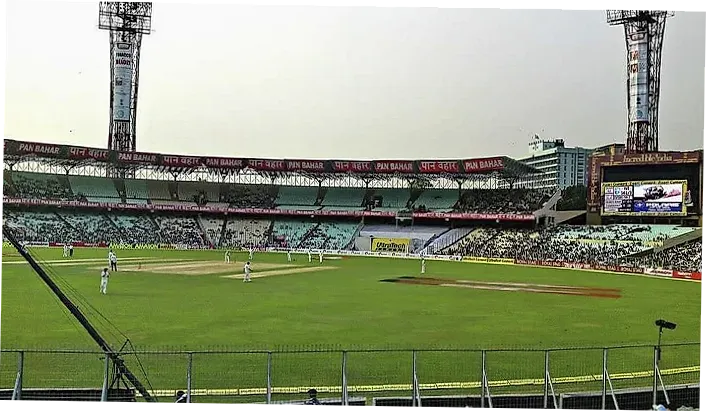
Eden Gardens
Eden Gardens is India's most iconic cricket stadium and the second largest in the world with 66,349 seats. Established in 1864, it is one of the oldest cricket grounds in Asia. The atmosphere during IPL matches here is unrivalled — the passionate Kolkata crowd creates a deafening wall of noise. Home to Kolkata Knight Riders, Eden Gardens has staged some of cricket's most memorable moments. The pitch traditionally assists spin in the later overs, and heavy dew in evening matches often significantly helps the chasing team.
MA Chidambaram Stadium
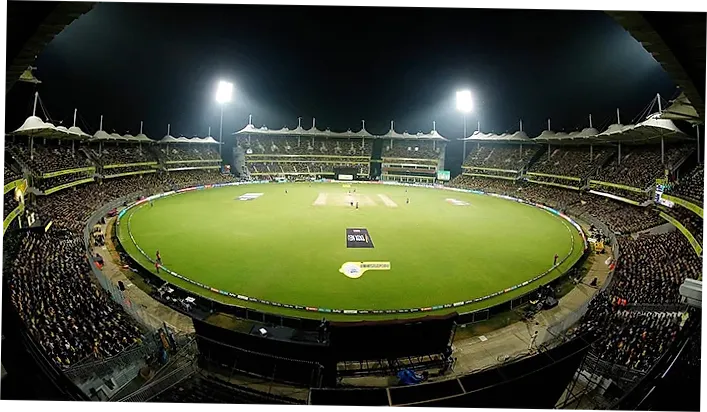
MA Chidambaram Stadium — popularly known as Chepauk — is Chennai Super Kings' fortress and one of Asia's oldest cricket grounds. Established in 1916, it has hosted international cricket for over a century. The Chennai pitch is famous for its slow, turning surface that heavily favours spin bowling — making CSK's squad selection of seasoned spinners a masterstroke. The stadium's unique design, with stands close to the playing surface, creates an electric atmosphere. CSK's home record at Chepauk across IPL history is exceptional.
Wankhede Stadium
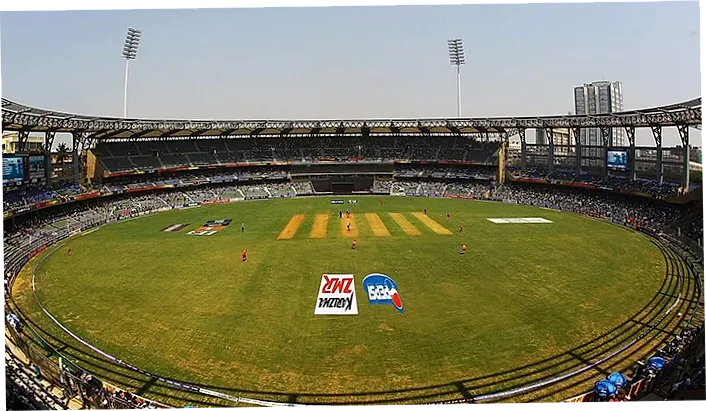
Wankhede Stadium is Mumbai Indians' home ground and one of world cricket's most celebrated venues. Established in 1975, it hosted the unforgettable 2011 ICC World Cup Final where Mahendra Singh Dhoni's six off Nuwan Kulasekara gave India the trophy in front of a delirious home crowd. The Wankhede's short square boundaries make it one of the highest-scoring T20 venues globally. The sea breeze from the Arabian Ocean creates conditions that help fast bowlers with swing in the first few overs.
M. Chinnaswamy Stadium
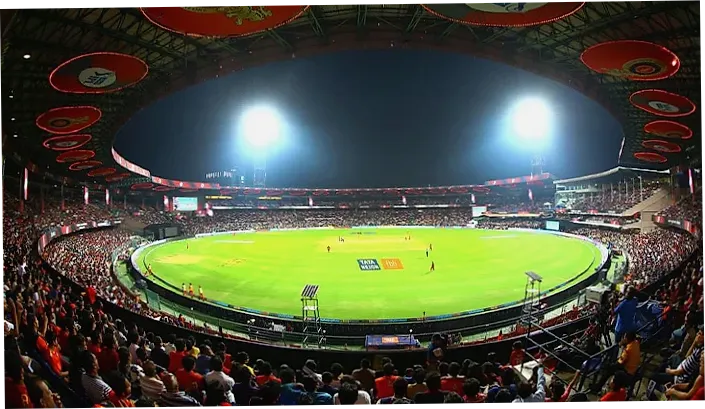
M. Chinnaswamy Stadium is Royal Challengers Bengaluru's home and arguably the most batsman-friendly venue in all of T20 cricket. Situated at 920 metres above sea level, the higher altitude means the ball carries further — boundaries are shorter in effect. The stadium holds the record for the highest IPL total: RCB's 263/5 against Pune Warriors in 2013, the match where Chris Gayle scored 175* off just 66 balls — the highest individual IPL score ever. The passionate 'Yellove' RCB fanbase creates one of cricket's most vibrant atmospheres.
Rajiv Gandhi International Cricket Stadium
Rajiv Gandhi International Cricket Stadium in Hyderabad is home to Sunrisers Hyderabad and hosts some of the IPL's most thrilling matches. The stadium is one of India's largest and most modern cricket venues. SRH made global headlines in 2024 when they posted IPL's highest ever team total — 277/3 against Mumbai Indians — on this ground. Evening matches here are significantly affected by heavy dew, which makes bowling difficult in the second innings and strongly favours the chasing team. The Orange Army SRH support is famously passionate.
Sawai Mansingh Stadium
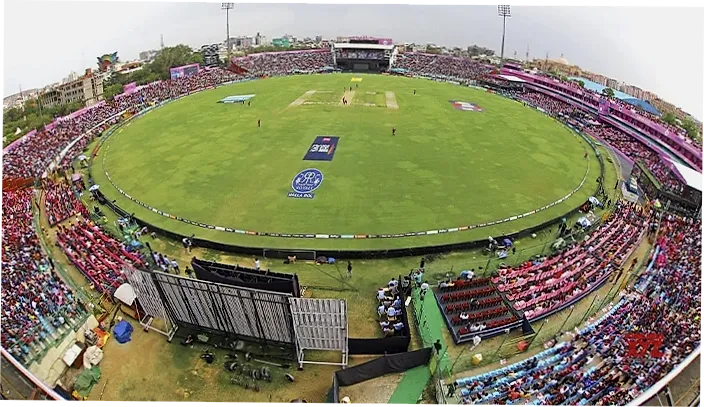
Sawai Mansingh Stadium is Rajasthan Royals' home ground in the 'Pink City' of Jaipur. Named after Maharaja Sawai Man Singh II, the stadium is surrounded by the dramatic Aravalli Hills. RR have an outstanding home record here, lifting the IPL title in 2008 (the inaugural season) and 2022. The pitch traditionally offers decent spin assistance, suiting RR's typical selection of quality leg-spinners and crafty all-rounders. The colourful crowd in Jaipur creates a festival-like atmosphere for every home match.
Arun Jaitley Stadium
Arun Jaitley Stadium — formerly known as Feroz Shah Kotla — is one of India's oldest and most historic cricket grounds, established in 1883. Located in central Delhi, it is home to Delhi Capitals in the IPL. The ground was renamed in 2019 in honour of the late Finance Minister Arun Jaitley, a lifelong cricket administrator. The pitch at Arun Jaitley Stadium can be unpredictable, offering something for both pacers and spinners. The ground is known for its peculiar wicket — and for some of cricket's most legendary Test match performances.
EKANA Cricket Stadium
EKANA Cricket Stadium — officially the Bharat Ratna Shri Atal Bihari Vajpayee Ekana Cricket Stadium — is one of India's most modern cricket venues, inaugurated in 2017. Located in the capital of Uttar Pradesh, it became Lucknow Super Giants' home when they joined the IPL in 2022. The stadium is state-of-the-art with excellent facilities and a fast outfield that produces high-scoring T20 matches. The passionate Lucknow crowd, one of cricket's newest but most enthusiastic fanbases, packs the ground for every LSG home fixture.
PCA Stadium
PCA Stadium in Mohali — officially the Punjab Cricket Association IS Bindra Stadium — is Punjab Kings' home ground. Located adjacent to Chandigarh, the venue is known for excellent pace and carry in its pitch, making it one of the better grounds for fast bowling in the IPL. The overhead conditions in Mohali can aid swing bowling considerably, especially in the first 6 overs. The ground has hosted international cricket since 1994 including several ICC events, and Punjab Kings have made it their fortress across the IPL's history.
IPL 2026 Venue Guide — Pitch & Conditions
IPL Stadiums — FAQ
| # | Team | P | W | L | Pts |
|---|---|---|---|---|---|
| 1 | RR Q | 1 | 1 | 0 | 2 |
| 2 | RCB Q | 1 | 1 | 0 | 2 |
| 3 | MI Q | 1 | 1 | 0 | 2 |
| 4 | PBKS Q | 1 | 1 | 0 | 2 |
| 5 | 1 | 0 | 1 | 0 | |
| 6 | 1 | 0 | 1 | 0 | |
| 7 | 1 | 0 | 1 | 0 | |
| 8 | 1 | 0 | 1 | 0 |