IPL 2026 Auction — Overview
IPL 2026 Auction — Biggest Buys
| # | Player | Team | Price (₹ cr) | Base (₹ cr) | Role | Country |
|---|---|---|---|---|---|---|
| 1 | Rishabh Pant | LSG | ₹27.00 | ₹2.00 | WK-Batsman | IND |
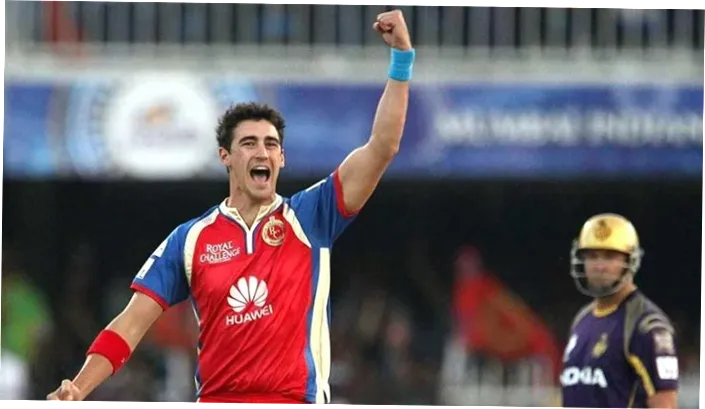
| 2 | Mitchell Starc | KKR | ₹24.75 | ₹2.00 | Bowler | AUS |
| 3 | Pat Cummins | SRH | ₹20.50 | ₹2.00 | All-rounder | AUS |
| 4 | Faf du Plessis | RCB | ₹16.00 | ₹2.00 | Batsman | SA |
| 5 | Travis Head | SRH | ₹15.40 | ₹2.00 | Batsman | AUS |
| 6 | Jake Fraser-McGurk | DC | ₹12.50 | ₹0.50 | Batsman | AUS |
| 7 | Liam Livingstone | PBKS | ₹11.50 | ₹2.00 | All-rounder | ENG |
| 8 | Sam Curran | CSK | ₹18.50 | ₹2.00 | All-rounder | ENG |
| 9 | Josh Hazlewood | RCB | ₹12.50 | ₹2.00 | Bowler | AUS |
| 10 | Quinton de Kock | KKR | ₹4.25 | ₹1.00 | WK-Batsman | SA |
IPL 2026 Player Retentions
Teams retained their core players ahead of the IPL 2026 auction. Below are the key retentions with their confirmed prices (deducted from the franchise's ₹120 crore purse).
| Team | Player | Retention Price | Role |
|---|---|---|---|
| MI | Rohit Sharma | ₹16.30 cr | Batsman |
| MI | Jasprit Bumrah | ₹18.00 cr | Bowler |
| CSK | MS Dhoni | ₹12.00 cr | WK-Batsman |
| RCB | Virat Kohli | ₹21.00 cr | Batsman |
| KKR | Sunil Narine | ₹12.00 cr | All-rounder |
| KKR | Andre Russell | ₹12.00 cr | All-rounder |
| DC | Axar Patel | ₹16.50 cr | All-rounder |
| SRH | Heinrich Klaasen | ₹23.00 cr | WK-Batsman |
| GT | Shubman Gill | ₹16.50 cr | Batsman |
| LSG | KL Rahul | ₹18.00 cr | WK-Batsman |
| RR | Sanju Samson | ₹18.00 cr | WK-Batsman |
| RR | Yashasvi Jaiswal | ₹18.00 cr | Batsman |
| PBKS | Shikhar Dhawan | ₹4.00 cr | Batsman |
How the IPL Auction Works
The IPL auction is one of cricket's most dramatic events — a day-long bidding war where 10 franchise owners and team management sit in a room and compete for the world's best T20 players. Here's how it works:
IPL Auction History — 2020 to 2024
| Year | Total Spent | Biggest Buy | Players Sold |
|---|---|---|---|
| 2024 | ₹641 cr | Mitchell Starc (KKR) — ₹24.75 cr | 329 players |
| 2023 | ₹516 cr | Sam Curran (PBKS) — ₹18.50 cr | 405 players |
| 2022 | ₹551 cr | Ishan Kishan (MI) — ₹15.25 cr | 590 players |
| 2021 | ₹145 cr | Chris Morris (RR) — ₹16.25 cr | 292 players |
| 2020 | ₹140 cr | Pat Cummins (KKR) — ₹15.50 cr | 338 players |
IPL 2022 was a mega-auction (all players released) due to two new teams joining (GT and LSG). The 2024 mini-auction saw Mitchell Starc break the all-time record for highest auction price.
IPL 2026 Tickets
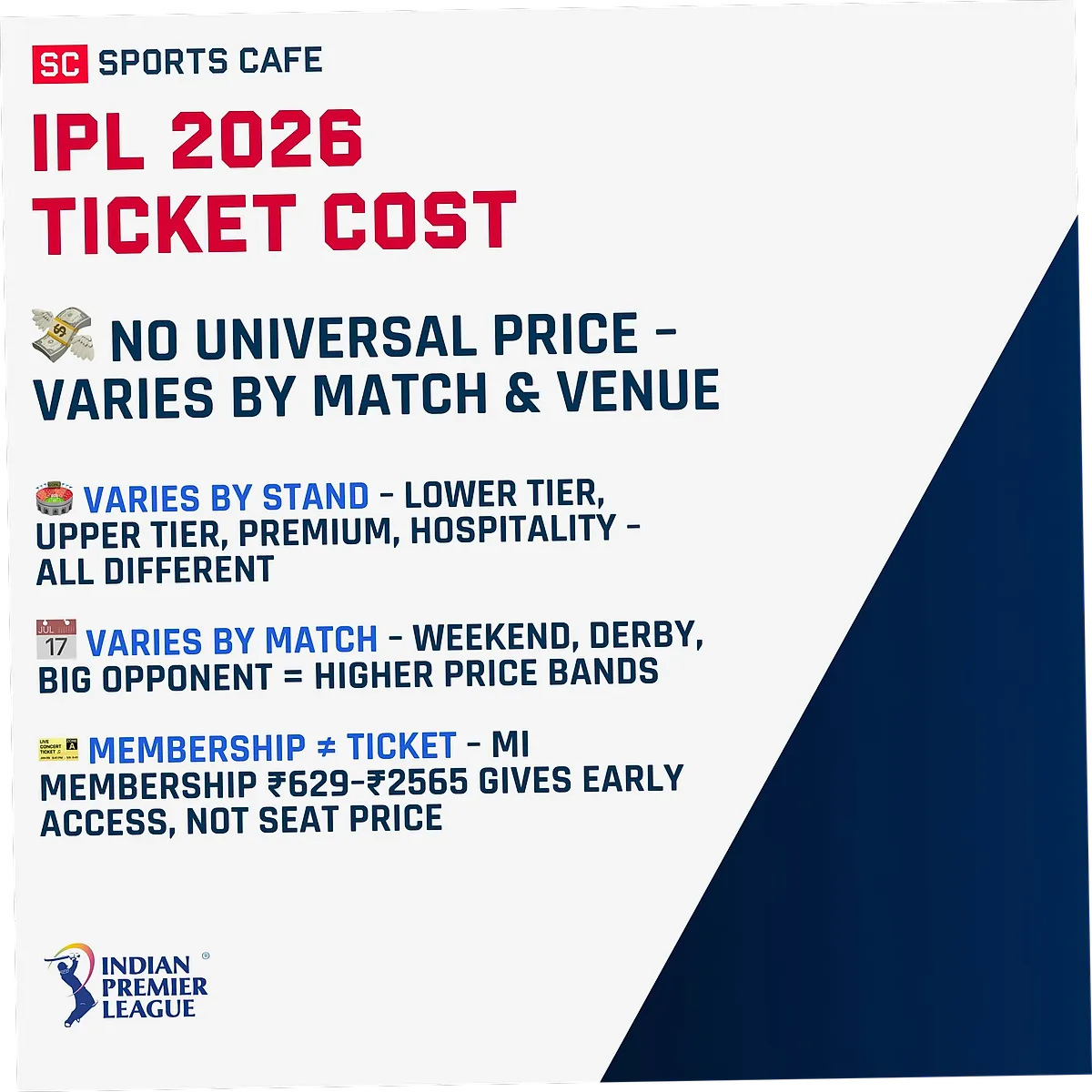
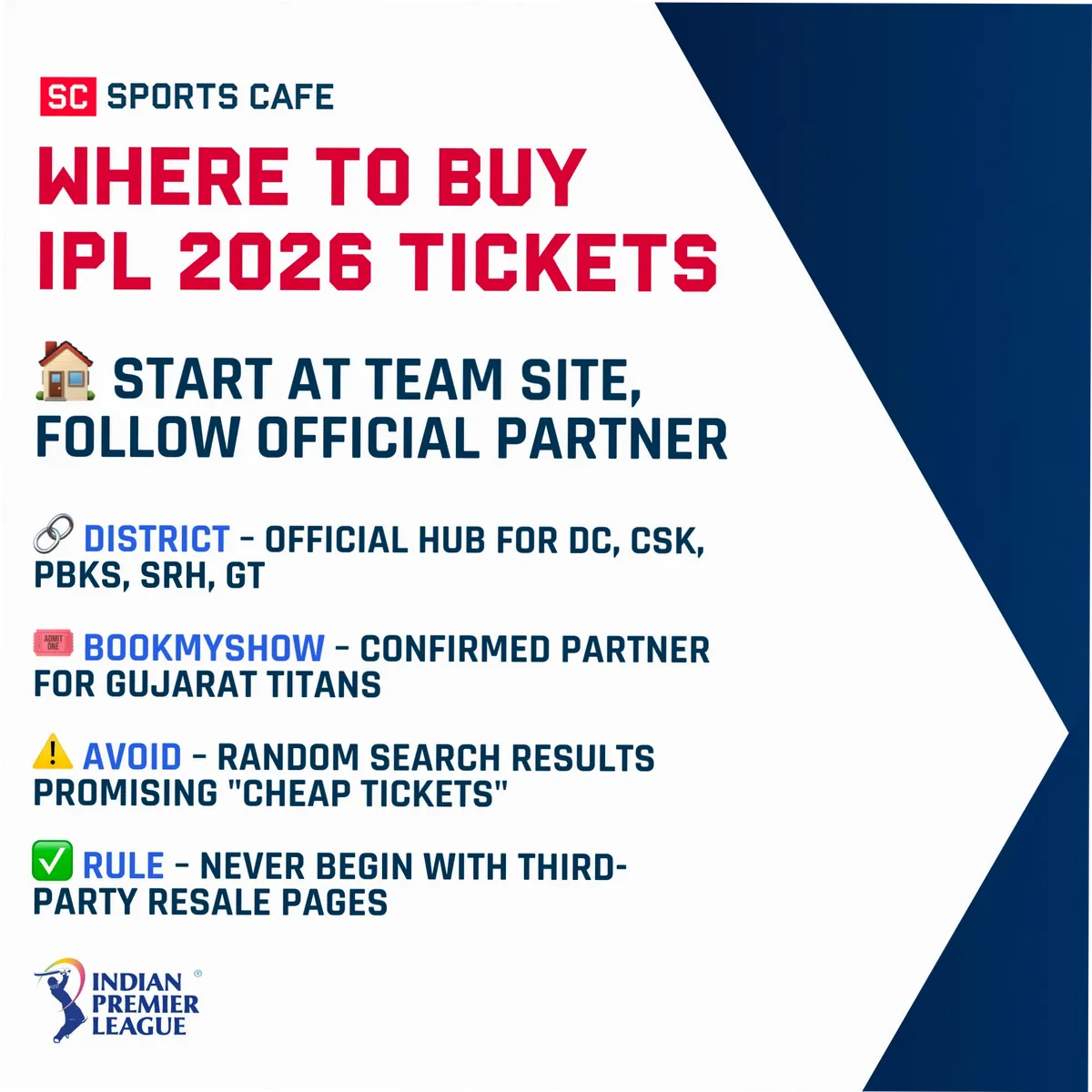
IPL 2026 match tickets are available through the official BookMyShow platform and the BCCI Ticketing portal. Prices range from ₹500 (general stand) to ₹15,000+ (premium hospitality) depending on the venue, match and stand. Playoff and Final tickets typically sell out within minutes of release.
IPL Auction — FAQ
| # | Team | P | W | L | Pts |
|---|---|---|---|---|---|
| 1 | RR Q | 1 | 1 | 0 | 2 |
| 2 | RCB Q | 1 | 1 | 0 | 2 |
| 3 | MI Q | 1 | 1 | 0 | 2 |
| 4 | PBKS Q | 1 | 1 | 0 | 2 |
| 5 | 1 | 0 | 1 | 0 | |
| 6 | 1 | 0 | 1 | 0 | |
| 7 | 1 | 0 | 1 | 0 | |
| 8 | 1 | 0 | 1 | 0 |